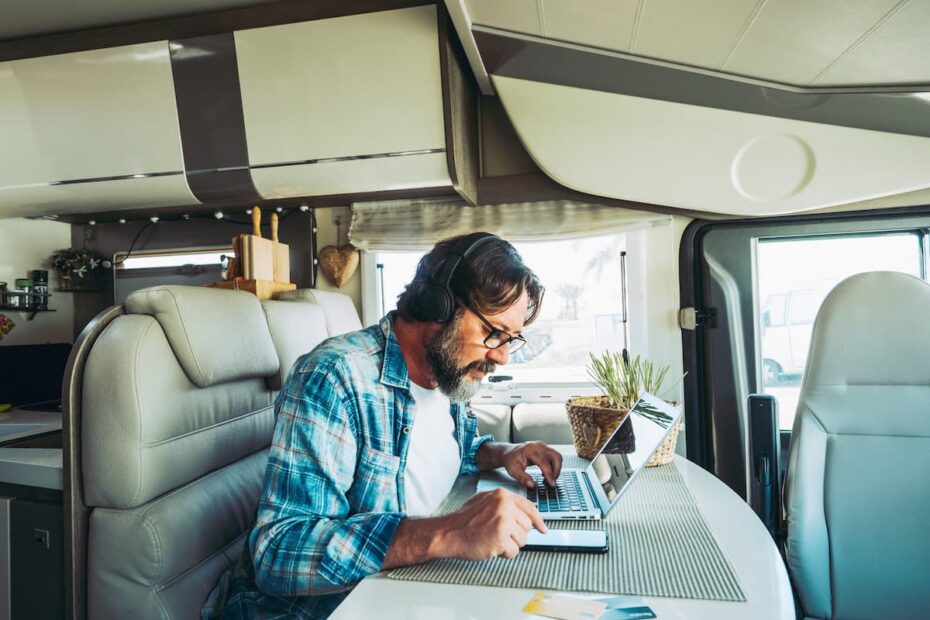
Exploring the Remote Work Revolution: How Digital Nomads are Changing the Face of Employment
The remote work revolution has fundamentally transformed the way we perceive employment, giving rise to a new class of workers known as digital nomads. These individuals leverage technology to work from anywhere in the world, breaking free from the confines of traditional office environments. This shift not only offers unparalleled flexibility and lifestyle choices but also promotes a more diverse workforce. According to a recent study, over 30% of employees now embrace remote work, and this number continues to grow as companies realize the benefits of a geographically dispersed workforce.
As digital nomads carve out their own paths, they are challenging conventional notions of work-life balance and employee engagement. Many are choosing to live in countries with lower costs of living while earning salaries based on higher-paying markets. This lifestyle not only enhances their personal freedom but also stimulates local economies in regions traditionally underserved by global industries. Furthermore, the rise of remote work fosters collaboration and innovation across borders, as diverse teams bring together unique perspectives and skills. In this way, the remote work revolution is not just changing where we work, but also how we work.
Counter-Strike is a highly popular first-person shooter game that has captivated gamers since its release in the late 1990s. This tactical game involves team-based gameplay where players assume the roles of terrorists or counter-terrorists. For those looking to enhance their travel experience while gaming on the go, check out the Top 10 Travel Accessories for Digital Nomads to ensure you have everything you need for gaming and adventure.
Is the Future of Work Location-Independent? Insights from the Digital Nomad Movement
The future of work is evolving rapidly, and one of the most notable shifts is towards a location-independent model, largely fueled by the digital nomad movement. As technology continues to advance, more professionals are discovering that they can perform their jobs from virtually anywhere in the world, as long as they have a reliable internet connection. This paradigm shift is not just a trend; it's a response to changing attitudes about work-life balance, corporate culture, and the desire for adventure and flexibility in today's workforce.
Insights drawn from the digital nomad community reveal several key factors contributing to this trend:
- Technology Integration: The rise of cloud-based tools and communication platforms allows teams to collaborate effectively regardless of their physical location.
- Changing Employment Models: The gig economy is thriving, providing opportunities for freelancers and remote workers.
- Global Mindset: Many individuals seek experiences and cultures beyond their hometowns, driving them to adopt a location-independent lifestyle.
The Rise of Co-Working Spaces: A Key Ingredient for Digital Nomads' Success
The rise of co-working spaces has revolutionized the way digital nomads operate, providing them with not just a workspace but a vibrant community. In an era where remote work is becoming the norm, these flexible office environments offer essential amenities such as high-speed internet, meeting rooms, and networking opportunities. The accessibility of co-working spaces allows digital nomads to work in a professional atmosphere without the long-term commitments associated with traditional office leases, thus enhancing their productivity and creativity.
Moreover, the communal aspect of co-working spaces fosters collaboration among individuals from diverse professional backgrounds. This environment encourages the exchange of ideas and resources, which can lead to innovative projects and partnerships. For digital nomads seeking both inspiration and community, co-working spaces serve as a critical ingredient for success, alleviating the loneliness often associated with remote work. As the demand for flexible working solutions continue to grow, these spaces are not just a trend but a necessary resource for the modern workforce.