Understanding the Different Types of Cables: Which One Do You Need?
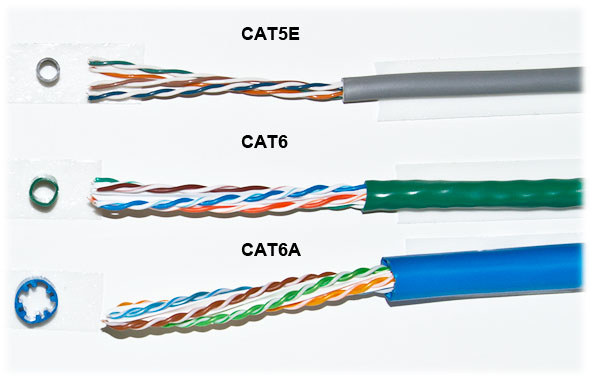
When it comes to understanding the different types of cables, it is essential to recognize their unique functions and applications. Cables are broadly categorized into several types, such as coaxial cables, fiber optic cables, and twisted pair cables. Each of these types serves a specific purpose, ranging from transmitting data to delivering power. For instance, coaxial cables are mainly used for cable television and internet connections, while fiber optic cables enable high-speed data transmission over long distances due to their ability to carry light signals. With an array of options available, understanding these differences is crucial for selecting the right cable for your needs.
To determine which cable is right for you, consider the following factors:
- Purpose: Identify what you need the cable for—whether it’s for networking, audio/video, or telecommunications.
- Distance: Assess how far the signal needs to travel; this will influence the choice of cable type.
- Bandwidth Requirements: Higher bandwidth demands, especially for internet connections, may necessitate the use of fiber optic cables rather than traditional copper options.
Counter-Strike is a highly skilled first-person shooter game that pits two teams against each other: the Terrorists and the Counter-Terrorists. Players engage in various objective-based scenarios, ranging from bomb defusal to hostage rescue, all while utilizing tactics and teamwork to secure victories. For gamers who often travel, having the right gear can make a difference. Check out these Top 10 travel tech accessories to enhance your gaming experience on the go.
How Cables Enhance Our Daily Digital Experiences
In our fast-paced, technology-driven world, the importance of cables in enhancing our daily digital experiences cannot be overstated. From the moment we wake up and check our smartphones to when we immerse ourselves in streaming media or video gaming, the role of reliable data transmission is crucial. Cables serve as the backbone of our digital connections, ensuring that we enjoy high-speed internet access, seamless audio-visual experiences, and uninterrupted power supply. Without these essential links, our lives would be far less convenient, as tasks like video conferencing, online banking, and social networking would face significant disruptions.
The advancement in cable technology has further enriched our digital experiences. For instance, high-definition HDMI cables not only support high-quality video but also ensure that audio fidelity is maintained during our digital interactions. Additionally, advancements in fiber optic cables have dramatically increased internet speed and reliability, making it possible for users to stream content in 4K resolution without buffering. As our reliance on digital technology continues to grow, understanding the importance of cables in facilitating these experiences will help us appreciate the intricate web of connectivity that supports our everyday lives.
The Evolution of Cables: From Copper to Fiber Optics and Beyond
The evolution of cables has been a fascinating journey, transitioning from the traditional copper cables to the cutting-edge fiber optic cables. Initially, copper cables dominated the telecommunications landscape due to their availability and ease of installation. However, as the demand for faster and more reliable internet connectivity grew, so did the limitations of copper, including signal degradation over long distances. This led to the emergence of fiber optics in the late 20th century, which utilizes light instead of electrical signals. This shift not only increased the speed of data transmission exponentially but also enhanced bandwidth capacity, making it possible to connect millions of users simultaneously.
Today, the evolution of cables is entering a new phase with advancements in technologies such as wireless communication and 5G networks. While fiber optics remain the backbone of high-speed internet services, innovations in wireless technology are paving the way for even more flexible and efficient data transfer methods. Additionally, materials like graphene are being explored for future cable technology, promising to deliver even higher performance and efficiency. As we move forward, the integration of various cable types, including hybrid systems that combine fiber optics with wireless technologies, will shape the landscape of global communications and data transfer.