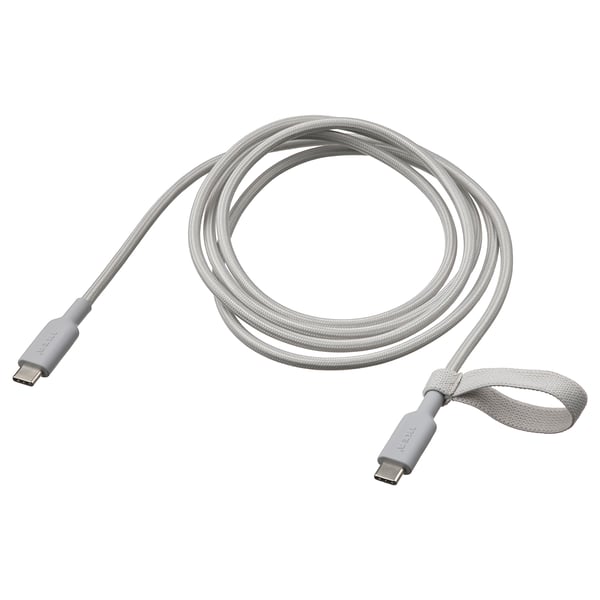
The Ultimate Guide to Understanding USB-C: Features, Benefits, and Compatibility
USB-C has rapidly become the standard connector for a wide variety of devices, thanks to its versatility and ease of use. Unlike its predecessors, USB-C supports a range of features such as faster data transfer speeds, higher power delivery for charging, and an improved reversible design. Key features of USB-C include a maximum data transfer rate of up to 10 Gbps with USB 3.1, support for video output, and the ability to deliver up to 100 watts of power. This makes USB-C not only a universal solution for connecting peripherals, but also a viable option for charging laptops, smartphones, and other electronics efficiently.
When it comes to compatibility, USB-C devices are not only limited to specific brands or product categories, but they also allow users to connect various devices seamlessly. However, it’s essential to be aware of the compatibility issues that may arise due to different USB versions. For instance, while USB-C connectors are universal, older USB peripherals may require adapters or converters. Additionally, some devices support different charging and data transfer protocols, such as Power Delivery (PD) and the Alternate Mode (Alt Mode) for video. Overall, the benefits of USB-C, paired with its widespread adoption, make it an outstanding choice for modern digital needs.
Counter-Strike is a highly popular tactical first-person shooter game that emphasizes teamwork and strategy. Players can engage in various game modes, often involving a terrorist team and a counter-terrorist team. For those looking to enhance their gaming experience, consider checking out the Top 10 USB C accessories that can significantly improve performance and convenience during gameplay.
How USB-C Connectors Are Revolutionizing Device Connectivity
The advent of USB-C connectors marks a significant shift in device connectivity, offering a unified standard that simplifies the ways we connect and charge our devices. Unlike its predecessors, the USB-C design allows for reversible plugging, meaning users no longer have to worry about the orientation of the cable. This innovation is not only convenient but also enhances the user experience, contributing to a streamlined technology ecosystem. As more smartphones, laptops, and peripheral devices adopt this standard, consumers benefit from the elimination of multiple cables and ports, making it easier to manage their tech.
Furthermore, the versatility of USB-C connectors extends beyond just charging. They can transfer data at remarkable speeds, with the potential for up to 10 Gbps, and can even support video output and high-resolution displays. This multifaceted capability allows a single USB-C port to replace various other ports and connectors, promoting a minimalist approach to device design. As we advance further into a world dominated by portable devices, the rapid adoption of USB-C is revolutionizing connectivity standards across the technology landscape, paving the way for an interconnected future.
Is USB-C the Only Connector You’ll Ever Need? Exploring Its Versatility
The advent of USB-C has revolutionized the way we connect and charge our devices. Unlike its predecessors, this versatile connector supports a wide range of functionalities, from data transfer to video output. Its reversible design makes it user-friendly, eliminating the frustration of fumbling to find the correct orientation. Additionally, USB-C can deliver power to devices up to 100 watts, which means everything from smartphones to laptops can be charged efficiently through a single port. This universal approach not only simplifies our tech lives but also reduces the number of cables we need, promoting a cleaner and more organized environment.
However, while USB-C brings incredible versatility, it's essential to acknowledge that it may not be the only connector we will ever need. Some specialized devices still rely on proprietary connectors for optimal performance. For example, high-end audio equipment might require unique plugs to deliver superior sound quality. Moreover, industries like photography often employ connectors tailored to specific camera systems. Thus, while USB-C is a significant step toward unification, it coexists with other connections that cater to specialized applications.