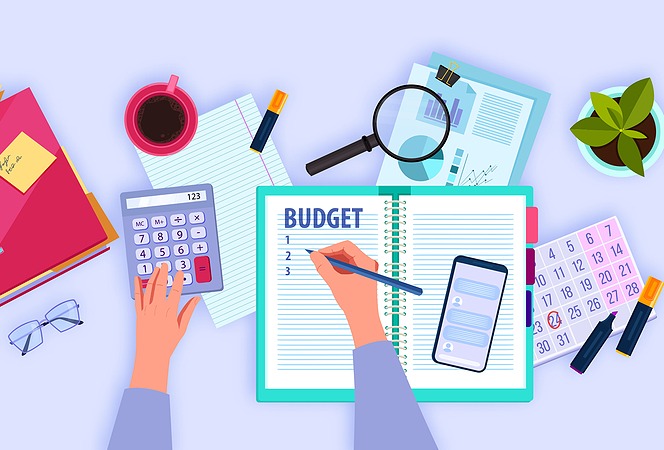
5 Simple Budgeting Hacks to Save More Money Today
Budgeting doesn't have to be a daunting task. In fact, implementing a few simple hacks can help you save more money today. Here are five strategies that can make a significant difference:
- Track Your Spending: Start by monitoring your daily expenses. Use apps or spreadsheets to categorize your spending, which will provide insights into where you can cut back.
- Set Clear Financial Goals: Define what you're saving for, whether it's a vacation, emergency fund, or retirement. Having clear goals can motivate you to stick to your budgeting habits.
- Automate Savings: Set up automatic transfers to your savings account each month. Treating savings like a recurring bill ensures you pay yourself first.
- Use the Envelope System: Allocate cash for specific budget categories and place the cash in separate envelopes. This method can help you avoid overspending.
- Review and Adjust Regularly: Your budget isn't set in stone. Regularly review your income and expenses, and adjust as necessary to meet your targets.
Counter-Strike is a highly popular first-person shooter game that emphasizes team-based gameplay and tactical objectives. Players can choose to play as terrorists or counter-terrorists, engaging in intense matches that require strategy and skill. For gaming enthusiasts, having the right gear is essential, and you can explore the Top 10 iphone accessories under 100 to enhance your gaming experience.
How to Create a Budget That Works for You: Step-by-Step Guide
Creating a budget can seem daunting, but breaking it down into manageable steps can help you develop a plan that truly works for you. Start by assessing your income and expenses. List all your sources of income, including your salary, freelance work, or any passive income. Next, document all your expenses for a month, categorizing them into fixed expenses (like rent or mortgage) and variable expenses (such as groceries and entertainment). This comprehensive overview will provide a solid foundation for your budgeting process.
Once you have a clear picture of your income and expenses, it’s time to set financial goals. Determine what you want to achieve—whether it’s paying off debt, saving for a vacation, or building an emergency fund. Next, create a budget by allocating portions of your income to each expense category, ensuring you account for savings as well. Consider using the 50/30/20 rule, which suggests you allocate 50% of your income to needs, 30% to wants, and 20% to savings and debt repayment. Regularly review and adjust your budget to keep it aligned with your needs and goals.
Is Your Budget Failing? Discover Common Mistakes and Solutions
Managing a budget is crucial for financial stability, yet many people find their efforts falling short. If you feel that your budget is failing, it might be due to several common mistakes. Firstly, not tracking your expenses effectively can lead to overspending. Instead of making vague estimates of your monthly expenditures, consider using a detailed budgeting tool or app that allows you to categorize your spending. Additionally, ignoring irregular expenses, like quarterly bills or annual subscriptions, can create unexpected financial strain, making it essential to plan for these in advance.
Once you've identified the mistakes that might be hindering your budget, there are effective solutions that can help get you back on track. Start by reassessing your financial goals; ensure they are realistic and achievable. Implement the 50/30/20 rule, where 50% of your income goes to necessities, 30% to discretionary spending, and 20% to savings or debt repayment. Furthermore, regularly reviewing and adjusting your budget can help you stay aligned with your financial objectives. Remember, the key to overcoming a failing budget lies in awareness, planning, and adaptability.