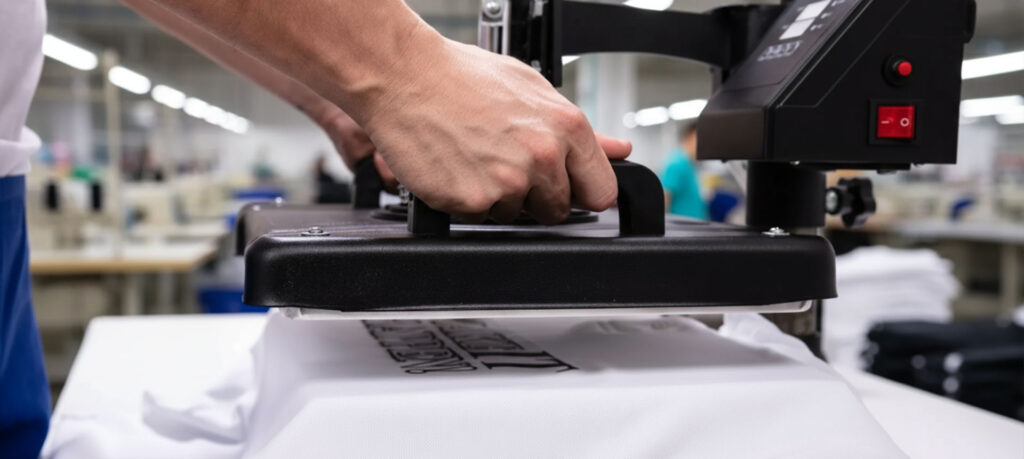
Top 5 Techniques to Prevent Cracking in Your Prints
When it comes to preventing cracking in your prints, the first technique to consider is selecting the right materials. Using high-quality inks and papers designed for your specific printing method can significantly reduce the risk of cracking. For instance, using archival-grade papers that offer better flexibility can enhance the overall durability of your prints. Furthermore, consider printing with water-resistant inks that can withstand environmental factors, ensuring that your print retains its quality over time.
Another effective strategy is to implement proper curing and drying techniques. Allowing your prints adequate time to dry before handling them is crucial in preventing cracks. Techniques such as air drying, using a heat gun at a safe distance, or placing prints in a controlled environment can facilitate even drying. Additionally, storing your prints in a cool, dry place away from direct sunlight and humidity will help maintain their integrity, ultimately reducing the risk of cracking.
If you're a fan of Pokémon, visiting a pokemon shop can be an exciting experience. You'll find a wide range of merchandise, from collectible cards to plush toys, perfect for fans of all ages. Don't miss out on rare finds and exclusive items!
Understanding the Causes of Cracks in 3D Printing: A Comprehensive Guide
Understanding the causes of cracks in 3D printing is crucial for producing high-quality prints. Cracks can occur due to several factors, including material quality, printing speed, and temperature fluctuations. When using low-quality filament, the material may lack the necessary properties to adhere properly during the printing process. Additionally, setting a too high print speed can lead to insufficient time for layers to bond, which results in weakened structural integrity. Lastly, fluctuations in temperature during the 3D printing process can cause uneven contraction of materials, leading to the formation of cracks.
To effectively mitigate the occurrence of cracks, it is essential to monitor environmental factors and optimize your printing settings. Here are a few tips:
- Use high-quality filaments that are suitable for your specific printer.
- Experiment with different printing speeds to find the optimal balance for your material.
- Maintain a stable printing environment with controlled temperature and humidity.
By addressing these potential issues, you can significantly reduce the risk of cracks and improve the overall quality of your 3D prints.
How to Choose the Right Filament to Minimize Cracks in Your Prints
Choosing the right filament is crucial for minimizing cracks in your 3D prints. When searching for the perfect material, consider options like PLA, ABS, and PETG, each of which has unique properties that impact print quality. For example, PLA is known for its ease of use and lower likelihood of warping, making it a great choice for beginners. On the other hand, ABS is more prone to cracking but offers greater durability and temperature resistance. To enhance your printing experience, examine the manufacturer’s guidelines and choose a filament that aligns with your printer's specifications.
Another key factor to consider is the printing temperature. Ensure that you are using the recommended settings for your chosen filament, as incorrect temperatures can lead to poor adhesion between layers, resulting in cracks. Additionally, try experimenting with print speeds and layer heights to find the best balance for your specific print. Keep an eye on environmental factors such as humidity and temperature fluctuations in your printing area, as these can also affect the properties of the filament and lead to imperfections. By taking these considerations into account, you can significantly reduce the chances of cracks appearing in your 3D prints.