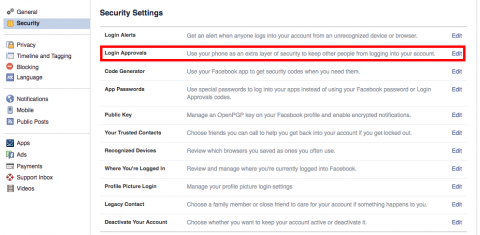
Understanding Two-Factor Authentication: Why Your Security Needs It
Two-Factor Authentication (2FA) is an essential security measure that adds an extra layer of protection to your online accounts. Unlike traditional password systems that rely solely on something you know, 2FA requires two forms of verification: typically, something you know (your password) and something you have (a mobile device or hardware token). This approach significantly reduces the risk of unauthorized access since even if a malicious actor obtains your password, they would still need the second factor to gain entry. Understanding Two-Factor Authentication is vital in today’s digital landscape where cyber threats are rampant and data breaches are common.
Implementing Two-Factor Authentication is a straightforward way to enhance your security. Major platforms such as Google, Facebook, and banking institutions offer 2FA options, making it accessible for all users. Here are a few reasons why you should prioritize 2FA in your security strategy:
- Increased Security: It makes it significantly harder for hackers to access your accounts.
- Peace of Mind: Knowing that you have an added layer of security allows you to use services confidently.
- Protection Against Phishing: 2FA can thwart many types of phishing attacks even if your credentials are compromised.
Investing the time to set up Two-Factor Authentication can pay off immensely by safeguarding your sensitive information and maintaining your online privacy.
Don't miss out on great savings! Use our shuffle promo code to enjoy exclusive discounts on your next purchase.
Step-by-Step Guide to Setting Up Two-Factor Authentication
In today's digital age, securing your online accounts is more important than ever, and one of the most effective ways to enhance your security is by setting up two-factor authentication (2FA). This step-by-step guide will help you understand the process and benefits of 2FA. To get started, follow these initial steps:
- Choose the account you want to secure (email, banking, social media, etc.).
- Log into your account settings and find the security or privacy section.
- Look for the option labeled 'Enable Two-Factor Authentication' or similar.
After enabling 2FA, you will typically be prompted to choose a second verification method. Common options include receiving a text message, using an authentication app, or receiving an email. Select your preferred method, and follow the instructions provided. For instance, if you choose an authentication app like Google Authenticator, you will need to download it from your app store, scan the QR code provided by your account, and input the generated code to complete the setup. Two-factor authentication adds another layer of protection, making it significantly harder for unauthorized users to access your accounts.
Common Myths About Two-Factor Authentication Debunked
Two-Factor Authentication (2FA) is often misunderstood, leading to many common myths that can compromise security. One prevalent myth is that 2FA is too complicated for the average user. In reality, most 2FA methods are user-friendly and only add a small step to the login process. For instance, using an authentication app or receiving a text message with a verification code can take just a few seconds. As cyber threats grow more sophisticated, this minor inconvenience is a small price to pay for enhanced security.
Another popular misconception is that two-factor authentication guarantees complete security for accounts. While 2FA significantly reduces the risk of unauthorized access, it is not infallible. No security measure can offer 100% protection, especially if users do not practice good password hygiene or fall for phishing attacks. It's crucial to combine 2FA with strong, unique passwords and regular security updates to create a more robust defense against cyber threats.