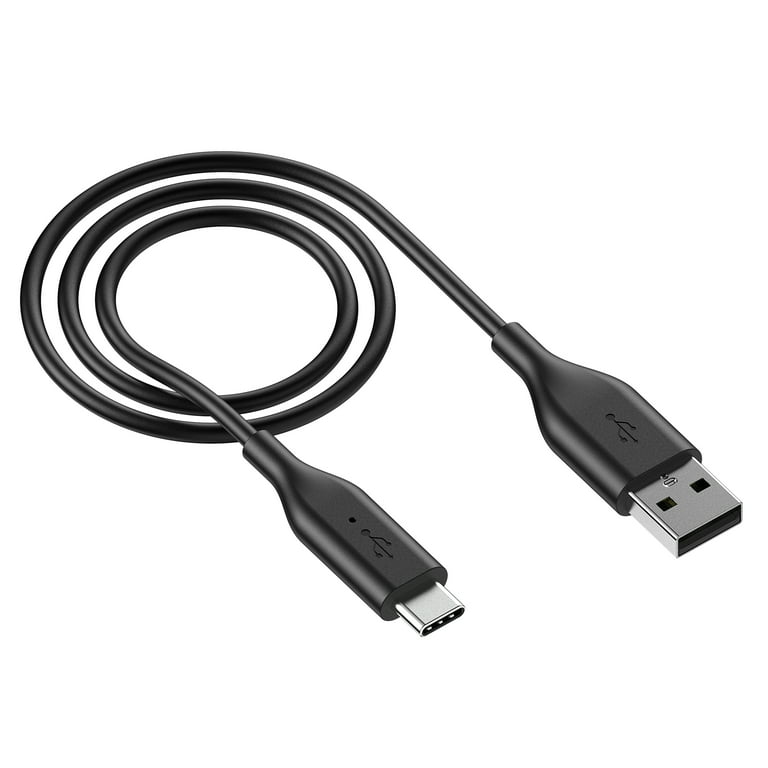
Understanding USB-C: How This Versatile Connector is Revolutionizing Technology
USB-C is rapidly becoming the standard connector in the tech world, thanks to its versatility and ease of use. Unlike its predecessors, USB-C boasts a reversible design, allowing users to plug in the connector either way, which dramatically enhances user convenience. The USB-C interface supports various protocols, enabling faster data transfer speeds and better power delivery. Current devices, from smartphones to laptops and even peripherals like monitors, are increasingly adopting this connector. This shift not only streamlines device connections but also reduces the number of different chargers and cables needed, benefiting both consumers and manufacturers.
Moreover, the adoption of USB-C is driving the evolution of technology across multiple fields. For instance, its capability to deliver up to 100 watts of power opens new doors for charging high-performance laptops and powering larger devices efficiently. It also supports advanced features like 4K video output, making it a game changer for content creators and gamers alike. As more devices embrace USB-C, the technology fosters innovation and interoperability, paving the way for a more streamlined and connected digital ecosystem.
Counter-Strike is a highly popular tactical first-person shooter game that has captivated millions of players around the world. Known for its team-based gameplay, it pits terrorists against counter-terrorists in various scenarios. For gamers seeking to enhance their experience, choosing the right equipment is crucial, including investing in the Top 10 external monitors for mac to ensure optimal visuals and performance.
The Evolution of USB-C: From Type-A to a Universal Standard
The evolution of USB-C has redefined the way we connect our devices, marking a significant departure from the traditional USB Type-A interface. Initially standardized in 1996, USB Type-A was the go-to connector for nearly two decades. With its rectangular shape and robust functionality, it served as a reliable option for connecting keyboards, mice, and storage devices. However, as technology advanced and the demand for faster data transfer and charging capabilities grew, the need for a more versatile and compact connector became apparent. This led to the introduction of USB-C, a reversible connector that supports higher data transfer speeds and power delivery, effectively consolidating multiple functions into a single port.
The transition from Type-A to USB-C reflects a broader trend towards a universal standard in connectivity. One of the key advantages of USB-C is its compatibility with a wide range of devices, from smartphones and laptops to charging docks and peripherals. With the ability to deliver up to 100 watts of power and transfer data at speeds up to 40 Gbps, USB-C is not just a connector but a comprehensive solution for modern users. As we move towards an increasingly interconnected landscape, embracing USB-C as a universal standard facilitates a streamlined user experience and reduces the clutter of cables and connectors, paving the way for the future of digital connectivity.
Is USB-C Here to Stay? Exploring Its Future and Potential Innovations
As technology continues to evolve, USB-C has emerged as a universal standard for connectivity, bringing a new level of convenience and efficiency to users. With its reversible design and ability to transfer both data and power in a single cable, USB-C has quickly gained traction across various devices, from smartphones and laptops to peripherals like monitors and chargers. This widespread adoption suggests that USB-C is not just a fleeting trend, but rather a significant advancement that fulfills the demand for faster and more versatile connections in our increasingly digital lives.
Looking ahead, the future of USB-C seems promising, with potential innovations that could further enhance its capabilities. Manufacturers are already exploring ways to incorporate USB-C into new technologies, such as faster charging standards and integration with emerging devices like wearables and IoT gadgets. The ongoing development of features like Power Delivery (PD) and Alternate Mode could reshape how we think about charging and data transfer, solidifying USB-C as a long-term solution in the tech landscape. As these advancements unfold, it's clear that USB-C is here to stay, paving the way for a more connected future.