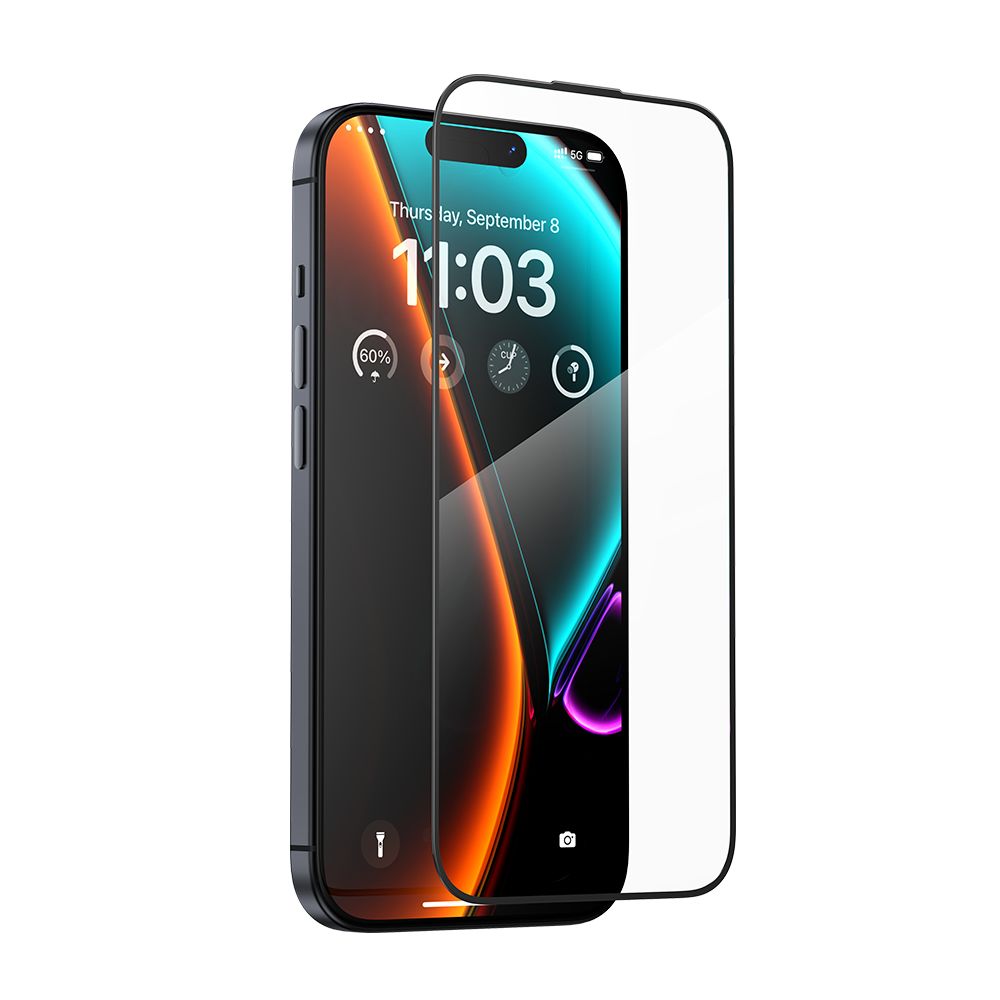
How Screen Protectors Work: The Science Behind Tiny Shields
Screen protectors are designed to safeguard your device's display from scratches, dust, and impacts, employing a blend of advanced materials and science. Most commonly made from tempered glass or polymer plastic, these protectors act as a barrier between your screen and the outside world. The outer layer is typically coated with a durable finish that helps repel oils, fingerprints, and smudges, ensuring that your display remains clear and vibrant. This clever combination of materials allows for both clarity and tough protection, making them an essential accessory for smartphone and tablet users alike.
When a force is applied to the screen protector, the underlying science comes into play. The structure of the protector absorbs and redistributes impact energy, lessening the stress on the device's actual screen. For instance, tempered glass undergoes a special heating and cooling process that makes it significantly stronger than regular glass. In fact, it is designed to shatter into small, blunt pieces rather than sharp shards, further minimizing the risk of injury. This ingenious design not only protects your device but also prolongs its lifespan, showcasing how screen protectors serve as tiny shields, combining science and technology to safeguard our daily gadgets.
Counter-Strike is a highly popular tactical first-person shooter game that has evolved significantly since its initial release. Players can choose to take on the role of terrorists or counter-terrorists in various objective-based game modes. For those looking to enhance their gaming experience, it's important to protect your device's screen. Check out the Top 10 paperlike screen protectors to find the best options available.
Top 5 Benefits of Using Screen Protectors for Your Devices
In today's digital age, safeguarding our devices is more important than ever. One of the simplest and most effective ways to do this is by using screen protectors. Here are the top 5 benefits of incorporating screen protectors into your device care routine:
- Protection from Scratches: Screen protectors act as a barrier that prevents scratches from keys, coins, and other everyday items.
- Reduces Glare: Many screen protectors are designed to reduce glare and improve visibility, making it easier to use your device in bright sunlight.
- Increased Resale Value: Keeping your screen pristine with a protector can enhance the resale value of your device when it's time to upgrade.
- Easy Installation: Most screen protectors come with detailed instructions for a hassle-free installation process, requiring no special tools.
- Enhanced Durability: Modern screen protectors are designed to be tough and durable, often made from tempered glass or military-grade materials that absorb shocks.
With these key benefits in mind, it’s clear that using a screen protector is a small investment that pays off in the long run. By ensuring your devices remain protected against damage, you not only extend their lifespan but also enjoy a better user experience. For anyone looking to maintain their device's functionality and aesthetic appeal, a quality screen protector is an indispensable accessory.
Are Screen Protectors Worth It? A Comprehensive Guide
With the growing investment in high-end smartphones and tablets, many users find themselves asking, are screen protectors worth it? The short answer is yes, but it depends on various factors such as usage patterns and lifestyle. A good quality screen protector can safeguard your device from scratches, cracks, and even minor drops, which can save you from expensive repairs or replacements. In fact, studies suggest that up to 60% of smartphone owners experience some form of screen damage in their device’s lifetime. When you consider the cost of fixing a cracked screen, investing in a reliable screen protector becomes a no-brainer.
There are several types of screen protectors available on the market today. Here’s a quick overview to help you decide which one might be best for you:
- Tempered Glass: Offers superior protection against impact and scratches.
- Plastic Film: A more affordable option that provides basic protection but lacks durability.
- Liquid Screen Protectors: Coats your screen with a thin layer of protection but may not be as effective against physical impacts.