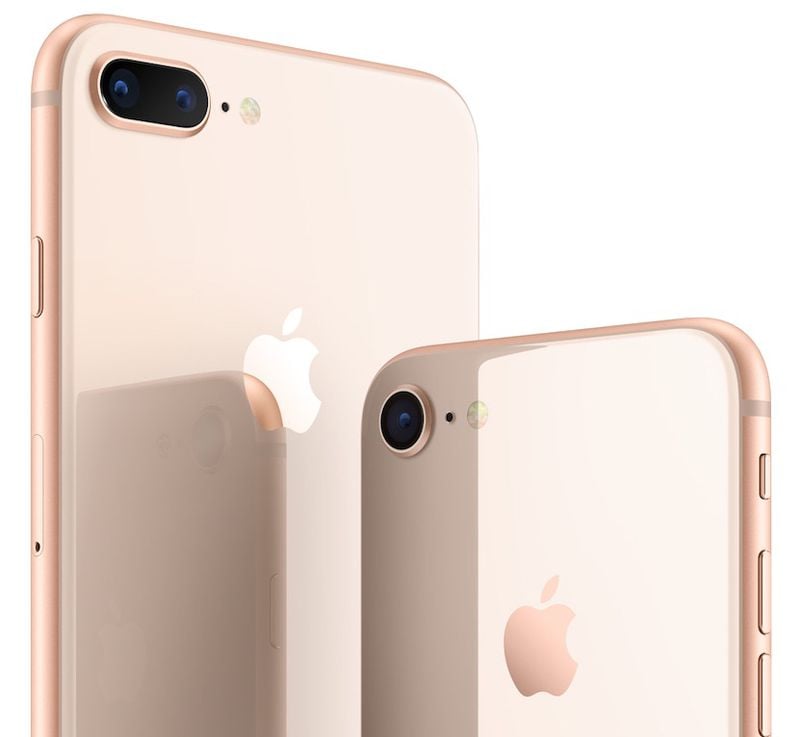
The Evolution of iPhone Design: From Functionality to Fashion
The journey of iPhone design began in 2007 with the launch of the original model, which prioritized functionality over aesthetics. Its sleek, minimalist design set a new standard for smartphones, combining a user-friendly touchscreen interface with robust capabilities. As Apple continually refined its product line, each iteration introduced enhancements not just in performance but also in style. The transition from plastic and metal to more premium materials like glass and aluminum showcased a shift towards a focus on fashion, appealing to an increasingly design-conscious consumer base.
As we entered the 2020s, the evolution of iPhone design took another dramatic turn. Apple's commitment to sustainability sparked a wave of innovations, such as the introduction of recycled materials in the product line. Additionally, the aesthetics of the iPhone began to reflect broader fashion trends, featuring vibrant color options and unique finishes that resonated with various consumer tastes. Today, the iPhone is no longer just a tool for communication; it has become a fashion statement, integrating cutting-edge technology with the latest in design sensibilities that influence not only the tech industry but also the world of fashion.
Counter-Strike is a popular first-person shooter game that pits two teams against each other: the terrorists and the counter-terrorists. Players can choose different weapons and strategies to complete objectives, such as defusing bombs or rescuing hostages. For gamers looking to enhance their mobile experience while playing, consider checking out the Top 10 iPhone Air accessories that can improve gameplay and comfort.
How to Customize Your iPhone to Reflect Your Personal Style
Customizing your iPhone is a fantastic way to express your personal style and make your device uniquely yours. Start by selecting a wallpaper that resonates with your aesthetic preferences—whether it's a serene nature scene, a bold graphic, or a beloved photograph. To change your wallpaper, go to Settings > Wallpaper > Choose a New Wallpaper. You can also create a personalized lock screen using the Photos app, where you can edit and add filters to create the perfect look.
In addition to your wallpaper, consider customizing your app icons for a cohesive visual theme. There are applications available that allow you to create custom icons, aligning with your chosen color palette. Furthermore, you can rearrange your home screen by long-pressing on an app icon until it jiggles and then dragging it to your desired location. Don't forget to enhance your personalization by utilizing widgets—these can provide not just aesthetic appeal but also quick access to essential information. To add a widget, simply press and hold on your home screen, select + icon in the top-left corner, and choose from various options that suit your style.
Is Your iPhone an Icon or Just a Device? Exploring Digital Identity
The debate surrounding whether your iPhone is merely a device or a true icon has become increasingly relevant in today's digital age. For many, the iPhone transcends its basic functionality, becoming a cultural symbol that represents status, innovation, and lifestyle choices. Digital identity is shaped significantly by the gadgets we choose and how we use them. Each time we unlock our screens, we are not just accessing apps; we are projecting an image of ourselves to the world, influenced by the aesthetics and features our devices offer.
Moreover, the iPhone's role in crafting our digital identity is complemented by the way we curate our online lives. Social media apps, photography capabilities, and seamless connectivity turn our devices into extensions of ourselves. As we post updates and share experiences, the question remains: is your iPhone an expression of who you are, or just a tool to help you navigate the digital landscape? Ultimately, understanding this dynamic can enhance our relationship with technology and how we define ourselves in an ever-evolving digital universe.