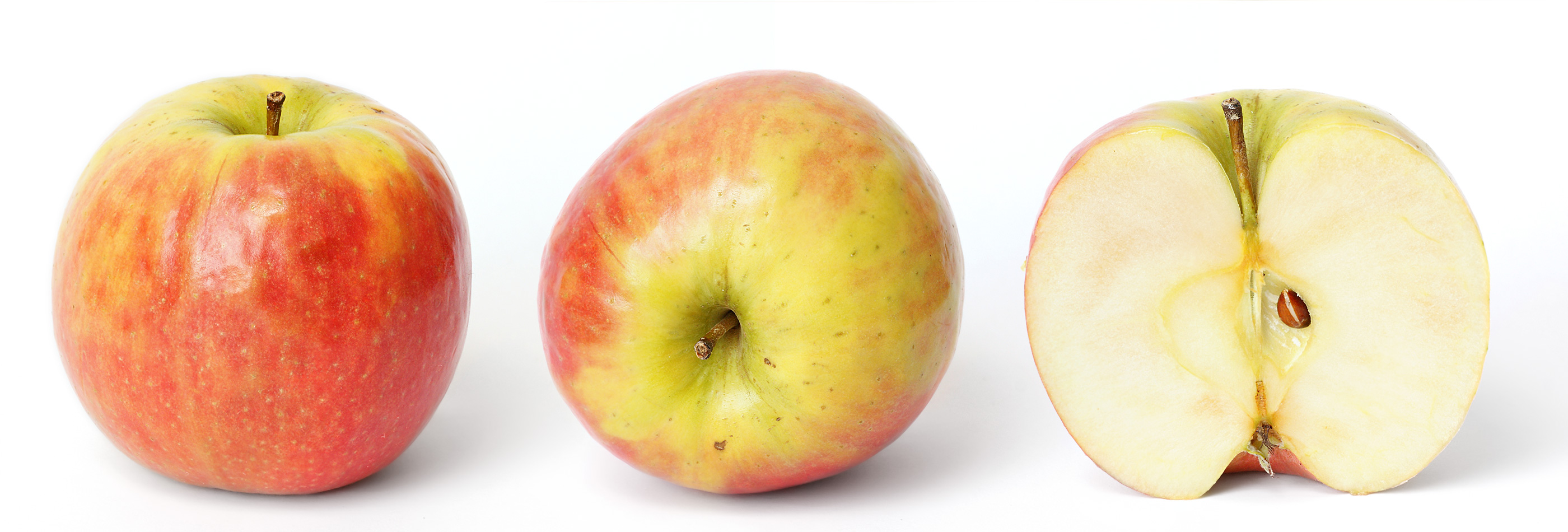
The Future of Apple Orchards: Innovations in Cultivation Techniques
The future of apple orchards is being shaped by a wave of innovations in cultivation techniques that prioritize sustainability and efficiency. These advancements include precision agriculture, which utilizes technology such as drones and IoT sensors to monitor soil health and tree vitality in real-time. Growers can now make informed decisions about irrigation, fertilization, and pest management, leading to increased yields and reduced environmental impact. This shift towards data-driven farming not only enhances productivity but also fosters a more resilient ecosystem, ensuring that orchards can thrive in the face of climate change.
Moreover, innovative practices like integrated pest management and organic farming methods are gaining traction in apple orchards. These techniques focus on enhancing biodiversity and using natural predators to control pests, minimizing the need for chemical pesticides. As consumer demand for sustainably grown apples increases, growers are adopting these practices to meet market expectations while preserving the health of their orchards. Future apple cultivation will likely see a growing emphasis on agroforestry, where apple trees are integrated with other crops and native plants, creating a holistic ecosystem that benefits both the environment and the farmer.
Counter-Strike is a popular first-person shooter game that emphasizes teamwork and strategy. Players can choose to be part of either the terrorist or counter-terrorist teams, with the objective of completing missions such as bomb defusal and hostage rescue. For players looking to enhance their gaming experience, it's crucial to have the right gear, such as finding the Top 10 apple vision pro cases for your gaming setup.
Sustainable Practices in Apple Farming: How Technology is Shaping the Orchard
Sustainable practices in apple farming are increasingly gaining traction as farmers seek to balance productivity with environmental stewardship. Modern technology plays a crucial role in this transition. For instance, precision agriculture tools use GPS and IoT sensors to monitor soil conditions and crop health, allowing farmers to apply water, fertilizers, and pesticides more efficiently. This not only reduces resource waste but also minimizes the ecological impact. Additionally, innovations such as drone technology enable farmers to gain aerial insights into their orchards, identifying problem areas that require attention without the need for extensive ground resources.
Moreover, sustainable apple farming practices often incorporate integrated pest management (IPM) strategies that utilize technological advancements to reduce reliance on chemical pesticides. For example, beneficial insects can be monitored through drones, and their populations can be supported by creating conducive habitats within orchards. This eco-friendly approach promotes biodiversity and helps maintain a balanced ecosystem. As technology continues to evolve, the apple farming industry is poised to embrace more sustainable methods that not only improve yield but also safeguard the planet for future generations.
What Makes the Perfect Apple? Exploring Varietal Development and Innovations
The journey to discovering the perfect apple encompasses a blend of tradition and innovation. Numerous apple varieties have evolved over centuries, each with unique flavors, textures, and uses. From the sweet crunch of Honeycrisp to the tartness of Granny Smith, consumers have a plethora of options. Today, advancements in agricultural science and breeding techniques allow for the development of new hybrids that not only enhance taste but also improve disease resistance and storage longevity. These innovations ensure that apples can be enjoyed year-round, bringing us closer to finding the perfect apple for every palate.
In addition to varietal development, modern technology plays a significant role in refining apple cultivation. Strategies such as precision agriculture and genetic selection are being adopted to optimize growing conditions, leading to apples that are not only delicious but also sustainable. As we continue to experiment with different apple varieties and cultivation techniques, the quest for the ultimate apple is more vibrant than ever. Whether through *breeding programs* that aim to create the next crowd-favorite or using *smart farming* practices to enhance yield quality, the future of apples looks promising, ensuring that the search for the perfect apple continues to evolve.